

New RECA Deadline and Wider Coverage: What It Means for Western Slope Uranium Workers
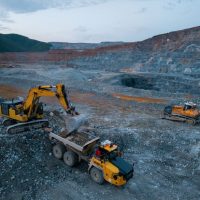
For decades, the uranium industry shaped life on the Western Slope. Miners, millers, and ore haulers worked in and around Grand Junction, Montrose, and surrounding communities, often without adequate protection from radiation exposure. Many of those workers, or their surviving family members, are only now learning that a major federal update could affect their ability to seek compensation.
What Changed in the Law
Recent reporting has drawn fresh attention to the Radiation Exposure Compensation Act, the federal program that compensates individuals harmed by exposure connected to nuclear weapons testing and the uranium industry. To be sure, the law was expanded and reauthorized, broadening the geographic areas recognized for downwinder claims and pushing the filing deadline out to December 31, 2027. Health systems in the region have begun holding public information sessions to help affected individuals understand whether they qualify.
While that coverage focused largely on downwinder eligibility, the update matters just as much for uranium workers here in Colorado. Unlike downwinder claims, which depend on where a person lived during specific testing periods, worker claims under the Act are based on employment history. Individuals who worked as uranium miners, millers, or ore haulers, or who spent time in related occupations covered by the statute, may qualify regardless of where they currently live, provided they meet the duration and diagnosis requirements set out in the law.
Who May Still Qualify
Under the Radiation Exposure Compensation Act, codified at 42 U.S.C. § 2210 note, qualifying uranium workers can receive a one-time lump sum payment if they were diagnosed with a specified illness, such as lung cancer, pulmonary fibrosis, or certain kidney diseases, after working in a covered occupation for at least one year during the recognized period. Survivors of workers who have since passed away may also be entitled to file on their behalf.
Because these illnesses often surface decades after exposure, many eligible families never learn they qualify until a diagnosis prompts them to look into their loved one’s work history. Gathering employment records, medical documentation, and proof of residency can take time, which is exactly why the extended deadline matters. Waiting until the filing window is close to closing leaves little room to track down old records or resolve gaps in documentation.
Why Local Guidance Still Matters
Uranium operations left a lasting mark on Grand Junction, Montrose, and Mesa County, and many families here have direct ties to the industry through a parent, spouse, or grandparent. Understanding whether a claim is viable, and gathering the right proof, is rarely straightforward, particularly when records are decades old or scattered across former employers who no longer exist.
Have you or someone in your family worked in uranium mining, milling, or ore hauling on the Western Slope? Our Grand Junction radiation exposure attorneys at Killian, Davis & Richter, P.C. have represented Western Colorado families in these claims for decades and can help determine whether you meet the updated eligibility requirements before the deadline arrives. Reach out at 970-241-0707 to discuss your situation.
Source:
deseret.com/lifestyle/2026/07/28/downwinders-cancer-intermountain-health-free-clinic-radiation-exposure-compensation/