

Chemical and Toxic Exposure Injuries for Oilfield Workers
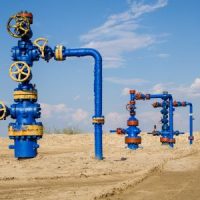
Colorado’s oil and gas fields power much of the state’s energy economy, but the work carries risks that go beyond falls, equipment failures, and vehicle collisions. Oilfield employees are frequently exposed to hydrocarbon gases, drilling fluids, hydrogen sulfide, and other chemical byproducts of extraction and production. When safety protocols break down, the result can be a toxic exposure injury with consequences that unfold over days, months, or years.
How Chemical Exposure Happens on Colorado Oil and Gas Sites
Toxic exposure in the oilfield rarely comes from a single dramatic event. More often, it results from routine tasks performed without adequate protective measures. Workers who manually gauge or sample crude oil storage tanks may open a thief hatch and release a plume of hydrocarbon vapor directly into their breathing zone. Others are exposed while handling drilling fluids, cleaning tanks, or working near flowback and production equipment.
Federal researchers have documented the danger of these tasks for more than a decade. According to the CDC’s National Institute for Occupational Safety and Health, nine oil and gas extraction workers died between 2010 and 2014 in incidents connected to manual tank gauging and sampling, with hydrocarbon gases and vapors identified as a primary or contributing factor.
Health Conditions Linked to Toxic Exposure
The health effects of chemical exposure vary depending on the substance involved, the concentration, and the duration of contact. Short-term exposure to concentrated hydrocarbon vapors can cause dizziness, disorientation, and loss of consciousness. Workers who inhale hydrogen sulfide gas may experience respiratory distress, eye irritation, or more severe symptoms depending on the concentration involved.
Longer-term or repeated exposure raises different concerns. Benzene, a compound found in crude oil and natural gas, is a known carcinogen, and prolonged exposure has been associated with blood disorders and certain cancers. Silica dust generated during hydraulic fracturing has also been linked to progressive lung disease when inhaled over time without proper respiratory protection.
What to Do After a Suspected Chemical Exposure
Recognizing the signs of chemical exposure early can make a meaningful difference in your health outcome. Consider the following steps if you believe you have been exposed to hazardous substances on the job:
- Seek medical evaluation promptly, even if symptoms seem mild at first
- Report the exposure to your employer and safety supervisor in writing
- Keep copies of safety data sheets for chemicals used at your worksite
- Document your symptoms, including when they began and how they have changed
- Preserve any protective equipment or clothing worn during the exposure
These steps help create a record connecting your symptoms to a specific workplace event, which can matter later if you pursue workers’ compensation benefits or another form of recovery.
Reach Out to Us Today
Chemical exposure injuries are often harder to identify and document than a broken bone or a laceration, and insurers frequently downplay symptoms that develop gradually. If you have been exposed to hazardous chemicals while working in the oilfields around Grand Junction, Montrose, or Mesa County, Colorado, we encourage you to reach out to Killian, Davis & Richter, P.C. Our Grand Junction oilfield injury attorneys are familiar with the industry’s hazards and the safeguards meant to prevent them. Call us at 970-241-0707 to talk about what happened and what your options may be.