

Oilfield Transportation Accidents: The Hidden Danger Facing Colorado Workers
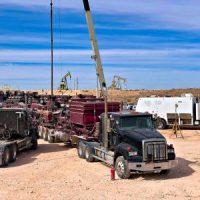
When people think about hazards in Colorado’s oil and gas industry, they typically picture drilling rigs, heavy machinery, or explosions. While those dangers certainly exist, one of the leading causes of serious injuries isn’t at the well site at all, it’s on the road.
Oilfield employees frequently spend hours traveling between drilling sites, equipment yards, and remote locations throughout western Colorado and the state’s energy-producing regions. If you’ve been injured in an oilfield transportation accident, connect with an experienced Grand Junction personal injury lawyer.
Why Oilfield Transportation Accidents Are Common
Unlike a standard work commute, oilfield travel often involves long hours, rural highways, changing weather conditions, and demanding work schedules. Workers may drive before sunrise, after dark, or after completing physically exhausting shifts.
Colorado’s energy industry also relies heavily on large commercial vehicles. Tanker trucks, flatbeds hauling drilling equipment, water trucks, and service vehicles regularly travel roads that may also be used by tourists, agricultural traffic, and local commuters. The combination of oversized vehicles, mountain terrain, construction zones, and unpredictable weather can increase the likelihood of serious collisions.
Driver fatigue is another major concern. Extended workdays and travel between well sites can reduce reaction time and impair judgment, even when a driver does not realize they’re becoming fatigued.
Workers’ Compensation May Not Be Your Only Option
After a work injury, you may qualify for Colorado workers’ compensation benefits. These benefits help cover medical treatment and a portion of lost wages, regardless of who caused the accident.
But workers’ compensation is not always the only avenue for recovery. Should another driver cause the crash, such as a distracted motorist, a speeding commercial truck operator, or an impaired driver, you may also have a third-party personal injury claim. Likewise, if defective vehicle equipment, improper maintenance, or negligent loading contributed to the collision, additional parties could potentially be held responsible.
These claims allow injured workers to seek compensation that extends beyond workers’ compensation benefits, including damages for pain and suffering, future lost earning capacity, and other losses that workers’ compensation generally does not cover. Following any work-related traffic collision, your health should come first. Seek medical attention immediately. Some conditions may not become apparent until hours or days later.
You should also report the accident to your employer as soon as possible. Documenting the scene if it is safe to do so is advisable as well, along with obtaining witness information, and preserving any photographs, dash camera footage, or maintenance records that may strengthen your claim later.
Oilfield transportation accidents may involve multiple insurance policies, employers, contractors, and commercial carriers. A Grand Junction personal injury lawyer can guide you through the process of determining who may be legally responsible, which can be far more complicated than an assessment of a typical car accident.
Has an oilfield accident upended your life? After being hurt in or around Grand Junction, Montrose, or Mesa County, Colorado, share the specifics of your situation with the attorneys at Killian, Davis & Richter, P.C. When you are ready to build a strong claim, call 970-241-0707.