

What Colorado’s Latest Traffic Fatality Numbers Mean for Injury Victims
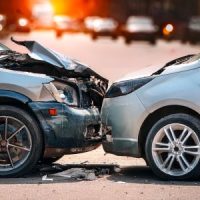
Every summer, more drivers, motorcyclists, and cyclists share Western Colorado’s roads, and every year the Colorado Department of Transportation tracks how that traffic translates into real consequences. The agency’s July 2026 fatality report offers a mix of encouraging and sobering news, and it raises an important question for anyone hurt on the road this year: what do these numbers actually mean if you or someone you love becomes part of the statistics?
A Statewide Decline, But Serious Risk Remains
According to CDOT’s data through June 2026, Colorado recorded 250 traffic fatalities so far this year, down from 292 during the same period in 2025. Impairment-related deaths also dropped, falling from 101 to 67 year over year. That’s a meaningful improvement, and it likely reflects a combination of increased enforcement, public awareness campaigns, and safer vehicle technology.
Still, the breakdown by mode of transportation shows where the greatest dangers persist. Of this year’s fatalities through June, 155 involved a car or truck, 44 involved a motorcycle, 39 involved a pedestrian, and 6 involved a bicyclist. Motorcyclists and pedestrians remain disproportionately vulnerable compared to their share of overall road traffic, a pattern that holds true across Mesa County and the rest of the Western Slope.
Why Statistics Like These Matter to Your Claim
Numbers on a government report might seem far removed from your own accident, but they actually play a role in how injury cases get built and argued. When we investigate a crash, understanding broader trends, whether certain intersections, road types, or times of day carry elevated risk, helps us anticipate how insurance companies and opposing counsel will frame the facts of a case.
These figures also reinforce something we see constantly in practice: a decline in overall fatalities doesn’t mean the roads have become simple or predictable. Grand Junction and Montrose both see substantial seasonal traffic increases as visitors travel through on I-70 and Highway 50. Rural highways, mountain grades, and mixed traffic involving commercial vehicles all continue to create conditions for serious collisions.
What To Do If You’re Involved in a Crash
Should you find yourself in an accident this year, quick and deliberate action matters. Seek medical evaluation immediately, even for injuries that seem minor at first. Report the crash to law enforcement so there’s an official record, and photograph the scene if you’re able to safely do so. From there, be cautious about early settlement offers. Insurance companies sometimes move quickly to close out claims before the full extent of an injury becomes clear.
If your accident involved a distracted, impaired, or speeding driver, and CDOT’s data suggests these remain persistent factors on Colorado roads, an experienced attorney can help identify all available evidence, including citations, witness statements, and crash reconstruction, to support your claim.
Wondering how a recent crash might affect your ability to recover compensation? Statistics can tell a broader story, but every case depends on its own specific facts. Our Grand Junction car accident attorneys at Killian, Davis & Richter, P.C. are ready to review what happened and help you understand your options for recovery. If you’ve been injured in Grand Junction, Montrose, or Mesa County, Colorado, give us a call at 970-241-0707 to schedule a free consultation.
Source:
codot.gov/safety/shift-into-safe-news/2026/july/colorado-fatality-data-july-2026